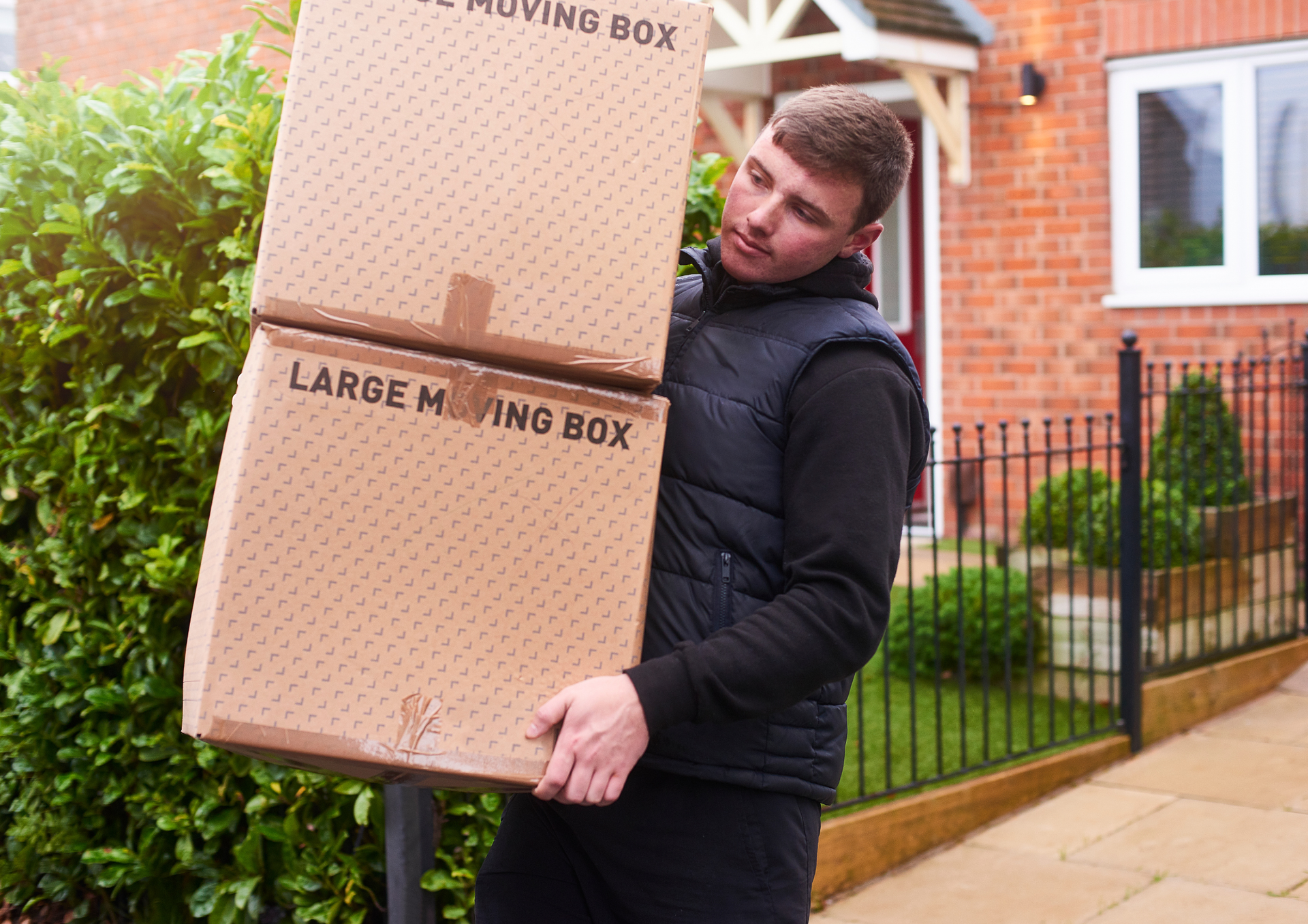
What to Expect From International Removals UK to Spain Services
Moving from the United Kingdom to Spain is an important decision that involves much more than transporting furniture and personal belongings. Whether relocating permanently, purchasing a second home, retiring abroad or expanding business operations, understanding the removal process can help make the transition more organised and manageable.
Relocating internationally introduces several considerations that are not usually associated with moving within the same country. Transport arrangements, customs documentation, property access, packing requirements and delivery schedules all require careful attention. Without suitable preparation, even a relatively straightforward move can become unnecessarily complicated.
Professional international removals UK to Spain services are designed to help individuals, families and businesses coordinate these responsibilities. From the initial assessment of belongings to their arrival at the destination property, an organised removal process can provide greater clarity and reduce uncertainty.
For people relocating from London and other parts of the United Kingdom, understanding what happens at each stage is particularly useful. Moving from a busy city property, suburban family home or commercial premises may involve different logistical challenges, including restricted access, parking arrangements and collection schedules.
Understanding the International Removal Process Before Moving
International relocation requires coordination between several stages, beginning well before the scheduled collection date. Unlike domestic moves, transporting belongings between the United Kingdom and Spain involves crossing international borders, meeting customs requirements and arranging delivery at a property that may be hundreds or thousands of miles away. Understanding how these stages connect can help customers prepare more effectively and avoid unnecessary disruption.
Initial Consultation and Moving Assessment
Most professional removal arrangements begin with an assessment of the customer's requirements. This allows the removal provider to understand the volume of belongings, collection address, destination, preferred moving dates and any additional services required. The assessment may take place through a home visit, video survey or detailed inventory questionnaire.
For example, a couple retiring to Spain may need to transport furniture, household appliances, clothing and personal possessions from their existing home. A business relocating equipment may require a different approach because of specialist handling requirements or operational deadlines.
During this stage, customers should explain whether they need assistance with dismantling furniture, packing fragile items, temporary storage or coordinating access to the destination property. Providing accurate information helps the removal provider recommend a suitable transport arrangement and prepare a more realistic quotation.
Planning the Collection and Delivery Schedule
Once the moving requirements have been established, attention turns to scheduling. Professional UK to Spain removals generally involve coordinating vehicle availability, collection arrangements, international transport and delivery access. The time required can vary depending on the distance travelled, the volume of belongings, customs procedures and the transport service selected.
For customers moving from London, collection arrangements may require additional consideration where properties are located on narrow streets, within controlled parking zones or in buildings with restricted loading facilities.
At the destination, similar challenges may arise in apartment complexes, historic town centres or rural properties with limited vehicle access. Discussing these details in advance allows practical arrangements to be considered before moving day.
Customs Documentation and Border Requirements
Moving household possessions between Great Britain and Spain involves customs formalities because the United Kingdom is no longer part of the European Union's customs territory.
Customers may need to provide identification, a detailed inventory, evidence of residence and documentation supporting their eligibility for any applicable relief from import duties or taxes.
Requirements can differ depending on whether someone is transferring their normal residence, furnishing a holiday property or transporting commercial goods. Import relief is not automatic, and eligibility may depend on ownership periods, previous residence and the purpose of the move.
It is important to check current requirements with the relevant customs authorities and removal provider before transportation begins. Proper documentation can help reduce avoidable delays and support a more predictable delivery process.
Preparing for a Different Living Environment
Moving to Spain may also require practical decisions about which belongings are suitable for the destination property. Furniture dimensions, available storage, electrical compatibility and the layout of the new home should all be considered.
Someone relocating from a spacious London property to a smaller Spanish apartment may decide to reduce the amount of furniture being transported. Conversely, a family moving into a larger permanent residence may wish to take most of its existing household possessions. Making these decisions early can simplify packing, reduce unnecessary transport volume and help the new property become functional more quickly.
Services Typically Included in Professional International Removals
Professional removal providers may offer several services designed to support different types of international relocation. The exact arrangements depend on the company, transport option and level of assistance requested.
Understanding what is included in a quotation is important because not every service is automatically provided.
- Household furniture transportation: Removal teams can arrange the collection and transportation of furniture, including sofas, beds, dining tables, wardrobes and other household items. Large or unusually shaped pieces may require additional handling or dismantling before loading.
- Professional packing assistance: Customers may choose to have belongings packed by experienced removal staff. Suitable cartons, wrapping materials and protective coverings can help reduce movement and damage during transportation. Packing arrangements should be discussed before the collection date.
- Fragile item preparation: Glassware, mirrors, artwork, decorative objects and electronic equipment may require additional protection. Specialist packing methods can be considered for particularly valuable or delicate possessions.
- Furniture dismantling and reassembly: Certain items may need to be dismantled to pass through doorways, staircases or restricted access points. Customers should confirm whether reassembly at the destination is included.
- Dedicated vehicle transportation: A dedicated removal service generally allocates transport capacity specifically to one customer's belongings. This may offer greater control over collection and delivery arrangements, depending on the route and provider.
- Shared-load transportation: Smaller moves may be suitable for consolidated transport, where belongings from several customers travel on the same vehicle. This can be economical, although collection and delivery dates may be less flexible.
- Temporary storage arrangements: Storage may be useful when the destination property is not ready, a tenancy has not started or renovation work remains incomplete. Customers should check storage conditions, access arrangements and additional charges.
- Collection and delivery coordination: Removal providers may assist with planning loading arrangements, transport schedules and unloading at the destination. Clear communication is particularly important when customers are travelling separately from their possessions.
- Customs preparation support: Some companies provide guidance on inventories and the documents commonly required for international transportation. However, customers remain responsible for ensuring that personal declarations and supporting information are accurate.
- Business relocation assistance: Commercial moves may involve office furniture, equipment, documents and other business assets. These arrangements often require additional planning to minimise disruption and address customs obligations.
Customers comparing removal companies Spain to UK should also consider whether the provider offers services in both directions. Experience with return journeys can be useful for individuals relocating back to Britain, businesses transferring equipment or second-home owners changing their arrangements.
It is worth requesting a written explanation of the services included rather than assuming that packing, storage, customs assistance or furniture assembly forms part of a standard quotation.
The suitability of each option depends on the circumstances of the move. A small apartment relocation may require relatively limited assistance, while transporting the contents of a large family home can involve considerably more preparation.
What Influences the Cost and Timescale of Moving to Spain?
One of the most common questions customers ask concerns the overall expense of relocating internationally. The removals UK to Spain cost can vary significantly because each move involves different transport distances, shipment volumes, access requirements and additional services. Rather than relying on a general estimate, customers should understand the main factors that contribute to the quotation.
Volume and Weight of Belongings
The quantity of furniture and personal possessions being transported is one of the main considerations. A small shipment containing boxes and essential household items may be suitable for a shared-load service. A complete family home relocation may require a larger vehicle or dedicated transport arrangement.
The weight and nature of the items can also influence handling requirements. Reducing unnecessary belongings before requesting a quotation can help customers understand the actual transport capacity needed.
Distance Between Collection and Destination
The journey between the collection property and the Spanish destination affects route planning, vehicle requirements and transport expenditure. For example, a move from London to northern Spain involves different travel arrangements from a relocation to southern coastal areas.
Remote properties, difficult access routes and additional delivery stops may also affect the service. Customers should provide complete collection and destination details wherever possible to support accurate planning.
Packing and Additional Services
The level of assistance requested can influence the overall quotation. Customers who pack their own belongings may have different requirements from those requesting a complete packing service.
Additional work involving specialist materials, furniture dismantling, temporary storage or complex loading arrangements may result in further charges. It is useful to confirm whether packing materials, labour, customs administration and unloading are included in the quoted amount.
Timing and Transport Availability
Moving dates can affect the availability of suitable transport services. Customers working towards property completion dates, tenancy agreements or business deadlines should discuss scheduling requirements as early as possible.
Shared-load services may operate according to established routes, while dedicated transport can sometimes provide more flexibility. However, neither option should be assumed to guarantee a particular arrival date.
Traffic conditions, ferry schedules, customs processing, driver regulations and unexpected operational difficulties can all affect international delivery times.
Understanding the Quotation
A detailed written quotation should explain the scope of the proposed service and identify any exclusions or potential additional charges. Customers should pay particular attention to whether the quotation includes customs-related administration, applicable taxes, packing materials, storage, delivery access and specialist handling. Where applicable, import duties or taxes may depend on the customer's circumstances and the eligibility of the goods for relief.
Comparing quotations on a like-for-like basis is more useful than choosing solely according to the lowest advertised price. A clear understanding of the services provided can help customers establish a realistic relocation budget and avoid misunderstandings.
Practical Preparation Tips for a Smooth Move to Spain
Good preparation can make a substantial difference to the overall relocation experience. Although professional removal providers coordinate transportation, customers still have several important responsibilities before their belongings are collected.
The following steps can help retirees, families, couples, individuals, second-home owners and businesses prepare for moving day.
- Begin planning early: Establish a provisional moving date and identify the main tasks that need to be completed. Allow sufficient time for quotations, property arrangements, travel planning and documentation.
- Create a detailed inventory: Record the furniture, appliances, boxes and other possessions intended for transportation. A clear inventory supports quotation accuracy, packing organisation and customs preparation.
- Decide what to keep or dispose of: Review belongings before packing begins. Selling, donating or responsibly disposing of unnecessary items can reduce the volume being transported.
- Check important documentation: Confirm which identification, residence documents, customs declarations and supporting records may be required. Requirements should be verified through official sources before departure.
- Prepare essential personal belongings separately: Keep passports, medication, important documents, travel arrangements, chargers and essential clothing accessible during the journey rather than placing them in the removal vehicle.
- Label boxes clearly: Identify the contents and intended destination room on each carton. Fragile items should be appropriately marked and packed using suitable protective materials.
- Measure large furniture: Check whether wardrobes, sofas, tables and other substantial items will fit through entrances, stairways and corridors at the destination property.
- Confirm property access: Consider parking restrictions, lift availability, loading areas and building management requirements at both addresses. Advance arrangements may prevent avoidable delays.
- Review electrical equipment: Check whether appliances are compatible with the electrical supply and connections at the destination. Some equipment may require suitable adapters or replacement.
- Arrange utilities and essential services: Where appropriate, organise electricity, water, internet access and other necessary services before arrival. This can make the first few days in the new property more comfortable.
- Discuss restricted and prohibited items: Certain goods may be unsuitable for standard removal transportation or subject to additional regulations. Ask the provider about batteries, chemicals, food products, plants and other potentially restricted belongings.
- Keep communication clear: Confirm collection details, contact information, delivery arrangements and any changes to the schedule. Having a reliable point of contact can make coordination easier.
For individuals arranging Spain to UK removals at a later stage, maintaining inventories and records from the original relocation may also be useful. However, a return move can involve different customs conditions, so documentation and eligibility requirements should be checked again.
Preparing for Arrival at the New Property
Once belongings reach Spain, unloading and settling into the property become the immediate priorities. Customers should ensure that someone authorised is available to provide access and confirm delivery arrangements.
Where possible, rooms should be prepared before the removal vehicle arrives. Clear walkways, suitable furniture locations and an organised unloading plan can make the process more efficient.
It is also advisable to check the condition of delivered belongings and compare the shipment against the inventory. Any missing items or visible damage should be recorded promptly and reported according to the provider's agreed procedures.
Families may wish to prioritise children's bedrooms and essential household facilities, while retirees and couples may focus on making the main living spaces comfortable.
Businesses should consider which equipment or furniture needs to be operational first to minimise interruption. Although the priorities vary, a structured approach can help customers settle into their new surroundings without unnecessary confusion.
Relocating from the United Kingdom to Spain involves several important stages, from the initial moving assessment and packing arrangements to customs preparation, international transportation and delivery at the destination property.
Understanding these responsibilities helps customers make informed decisions, prepare accurate inventories and establish realistic expectations about costs and timescales.
Professional international removals UK to Spain services can provide valuable practical support by coordinating transport arrangements and helping customers understand the requirements of moving belongings between countries.
However, successful relocation also depends on early preparation, accurate documentation and clear communication between everyone involved.
Whether moving permanently, retiring abroad, purchasing a holiday home or relocating business operations, taking an organised approach can reduce avoidable difficulties.
By understanding what to expect before collection day, customers can approach their international move with greater confidence and concentrate on preparing for the next stage of life or business in Spain.
UK Spain Removals, our website focuses on helping individuals, families, retirees, couples, second-home owners and businesses understand the practical considerations involved in relocating between the United Kingdom and Spain.
We recognise that every relocation has different requirements. Moving from a London apartment, transporting furniture from a family home or preparing commercial belongings for international delivery can involve different levels of planning and coordination.
Our approach emphasises clear information, practical preparation and realistic expectations. We understand the importance of explaining collection arrangements, transport options, packing considerations and delivery requirements in a straightforward manner.
We also recognise that customers may be unfamiliar with customs procedures, international transport schedules and the documentation associated with moving household possessions across borders.
Rather than introducing unnecessary complexity, our website aims to help visitors understand the process of international removals UK to Spain and identify the questions they should ask before arranging a service.
Whether planning a permanent relocation, a seasonal move or a change in business premises, we aim to provide a useful starting point for exploring suitable international removal arrangements.
Our focus is on supporting informed decisions, encouraging careful preparation and helping customers approach their move between Britain and Spain with clarity and confidence.
Check out our latest X update on what to expect from
international removals UK to Spain services for a smoother relocation.
UK Spain Removals
020 4634 0901
3 Craven Street
London, WC2N 5HR
United Kingdom
You might also like